
Popular posts





Why Delhi, Mumbai and Bangalore Are Creating a New Generation of Sleep-Deprived Indians
December 9, 2025 2026-01-08 10:41Why Delhi, Mumbai and Bangalore Are Creating a New Generation of Sleep-Deprived Indians
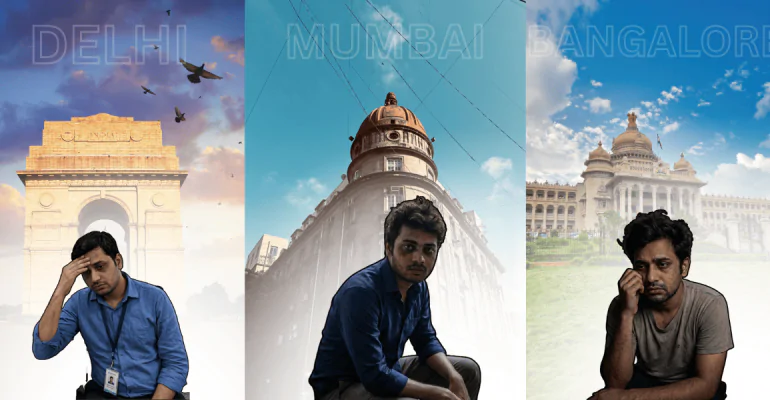
Why Delhi, Mumbai and Bangalore Are Creating a New Generation of Sleep-Deprived Indians
If you stand on any balcony in Delhi, Mumbai or Bangalore at midnight, you will notice something strange. Office lights are still on.
Bike headlights are still moving. Windows are glowing with phone screens and laptop screens. These cities were never advertised as 24×7 cities, but they are quietly becoming that.
Behind this glow, there is a quieter story. People are sleeping less, sleeping badly and waking up tired.
Many have no idea that their city, their routine and even the air they breathe are stealing their sleep every single night.
Metro Life Is Turning Into Permanent Jet Lag
Ask a working professional in any of these three cities about their sleep. You will hear common answers.
“I sleep by 1 and wake up at 6.”
“I scroll on my phone till I feel sleepy.”
“I will catch up on sleep on Sunday.”
This constant sleep shortage has become a badge of honour. We say, “This is normal life,” and laugh it off. But there is nothing normal about a body that never feels fully rested.
Late night calls with clients in other time zones, last-minute deadlines, school projects with kids, dinner at 10.30 pm, then a series or reels before bed. By the time the brain is ready to sleep, the clock has already stolen half the night.
Then comes the alarm, often before sunrise, thanks to school timings or long office commutes. The result is a generation that looks awake but is actually functioning on a mix of caffeine and willpower.
Pollution That Follows You Into The Bedroom
For people in these metros, pollution is not just a news headline in winter. It is inside the nose, throat and lungs. Delhi is the worst example, but Mumbai and Bangalore are not far behind during certain months.
When the air is full of fine particles, the nose and throat remain irritated. Many people sleep with a blocked or stuffy nose. This forces them to breathe through the mouth or snore more loudly. For someone who already has a narrow airway or is overweight, this can push them towards obstructive sleep apnea without them even realising it.
The tragedy is that even when we close the windows at night, we often sleep in rooms that have stale air, poor ventilation and sometimes even indoor pollutants like incense, room fresheners and mosquito coils. The body is supposed to repair itself during sleep. Instead, it is fighting to breathe.
Traffic Outside, Noise Inside
All three cities share one more enemy of sleep: sound.
In many neighbourhoods, traffic sounds continue till late at night. Bikes without silencers, late night deliveries, people talking loudly on the phone in balconies, lifts and gates opening and closing. Construction often starts early in the morning. For apartments near main roads or metro lines, this is the background soundtrack of life.
Even if you are not fully awake, your brain hears these sounds. It keeps you in lighter stages of sleep, which means you wake up feeling unrefreshed. You spent eight hours in bed, but maybe only five hours were truly deep, healing sleep.
Inside the home, the noise sometimes continues in another form. Parents falling asleep with the TV on, teenagers gaming with headphones, notification pings on every phone. We have created an environment where the brain is never fully allowed to disconnect.
Long Commutes That Eat Into Both Ends Of The Night
Bangalore traffic, Mumbai locals and Delhi NCR distances have one thing in common: they steal time.
Many working people leave home before 8 am and come back after 8 or 9 pm. By the time they eat, talk to family and get a few minutes for themselves, it is already late. Sleep is the first thing that is pushed aside.
Some try to sleep inside cabs or on the train, but this is not the same as deep sleep in a bed. The body never goes into the restorative stages that help repair muscles, balance hormones and clean waste from the brain.
Over months and years, this pattern of short, broken sleep adds up. It affects mood, blood pressure, weight and even decision making. People call it “city life” and continue.
The Hidden Face Of This Problem: Sleep Apnea
Not all sleep loss is only because of screens and traffic. There is a deeper issue that is often missed in metro India: obstructive sleep apnea.
In sleep apnea, the airway in the throat keeps getting blocked during sleep. The person snores loudly or goes silent for a few seconds, then gasps or chokes and starts breathing again. This can happen dozens of times in an hour.
The person may not fully wake up, but their sleep becomes shallow and broken. They often wake with a dry mouth or headache, feel tired through the day and may even doze off in meetings or at traffic signals.
In cities like Delhi, Mumbai and Bangalore, several factors increase the risk of apnea:
- Higher rates of overweight and obesity
- Neck fat due to sitting jobs and lack of exercise
- Pollution related inflammation in the airways
- Late night eating and alcohol in some groups
The sad truth is that many couples joke about snoring for years before someone realises it might be a medical problem.
Why So Few Metro Residents Get Help
Even when people suffer, they usually do not think of a sleep specialist. They blame work stress, age, pollution, or sugar levels. Sometimes even doctors focus only on BP and sugar and do not ask in detail about sleep, snoring or choking.
There are more sleep labs and home sleep tests available now, but awareness is still low. Many people have never heard of a “sleep study“ at all. If you suggest using a machine at night, they get scared. It sounds like a serious hospital-level intervention, not something a regular office-going person might need.
Because of this, thousands keep living in a half-awake, half-asleep mode for years, until something forces them to look deeper, like a heart scare or a stroke in the family.
The Quiet Rise in CPAP Demand in Indian Metros
There is, however, a slow change happening in these big cities. As more doctors talk about sleep apnea and more families search online, awareness of CPAP machines is rising.
CPAP stands for Continuous Positive Airway Pressure. It is a device that sends a gentle stream of air through a mask while you sleep. This air keeps the airway open, so it does not collapse again and again in the night.
In Delhi, Mumbai and Bangalore, demand for CPAP is growing for a few reasons:
- More people between 30 and 55 are being diagnosed with apnea
- Couples are tired of fighting over snoring every night
- Heart and diabetes specialists are advising CPAP earlier
- Rental options have made it possible to try CPAP without a big upfront cost
People are searching for “CPAP machine trial”, “CPAP rental in Bangalore” or “CPAP price in India” because they are finally looking for solutions that fit into their real life, not just textbook advice.
How CPAP Can Change Day-to-Day Life
When someone with moderate or severe sleep apnea starts using CPAP properly, the difference is often clear within days or weeks.
They may notice:
- Less or no snoring
- Fewer awakenings at night
- No more choking episodes
- Feeling fresher in the morning
- Better focus and fewer mistakes at work
- Less irritability with family and colleagues
Over the long term, treating apnea can help control blood pressure better and reduce the burden on the heart and brain. For many metro residents, CPAP becomes less of a “machine” and more like a nightly support system that quietly keeps them safe.
It is not always easy in the beginning. The mask can feel strange and there is an adjustment period. But with proper fitting, follow up and family support, many people find that the extra comfort and energy they gain is worth the effort.
India’s Leading Cities Need A New Kind of Progress
Delhi, Mumbai and Bangalore have given people jobs, dreams and opportunities. They have also given them polluted air, long travel, noise and constant pressure to stay online.
Real progress now means learning how to live in these cities without destroying our sleep. That starts with small, honest steps: respecting bed time, keeping phones away before sleep, paying attention to snoring, not ignoring constant tiredness, and being open to tests and treatment like CPAP when needed.
We cannot change the entire city overnight. But we can change what happens inside our own bedroom. For many urban Indians, that single decision might be the difference between just surviving and truly living.