


Popular posts
Sleep Apnea Treatment: A Complete Guide to Effective Solutions for Better Sleep (2026)
March 21, 2026 2026-03-21 16:21Sleep Apnea Treatment: A Complete Guide to Effective Solutions for Better Sleep (2026)
Sleep Apnea Treatment: A Complete Guide to Effective Solutions for Better Sleep (2026)
Sleep apnea is more than just loud snoring. It is a sleep disorder that interrupts breathing during sleep, often multiple times throughout the night. These breathing pauses can disturb sleep cycles and reduce the amount of oxygen reaching the body.
Many people ignore early symptoms like loud snoring, choking during sleep, or waking up tired. However, untreated sleep apnea can lead to serious health problems such as high blood pressure, heart disease, and daytime fatigue. The good news is that the right sleep apnea treatment can help improve breathing, restore healthy sleep patterns, and enhance overall well-being.
In this guide, we’ll explore the most effective sleep apnea treatment options available today and explain them in simple terms so you can understand which solution may work best.
.
Understanding Sleep Apnea Treatment
The main goal of sleep apnea treatment is to keep the airway open during sleep so that breathing continues normally. When the airway collapses or becomes blocked, breathing pauses occur, which leads to disrupted sleep.
Treatment is not the same for every patient. Doctors usually consider several factors before recommending a treatment plan, including:
- Severity of sleep apnea
- Overall health condition
- Lifestyle habits
- Medical history
Because of these differences, the best sleep apnea treatment often involves a personalized approach designed for the patient’s specific needs.
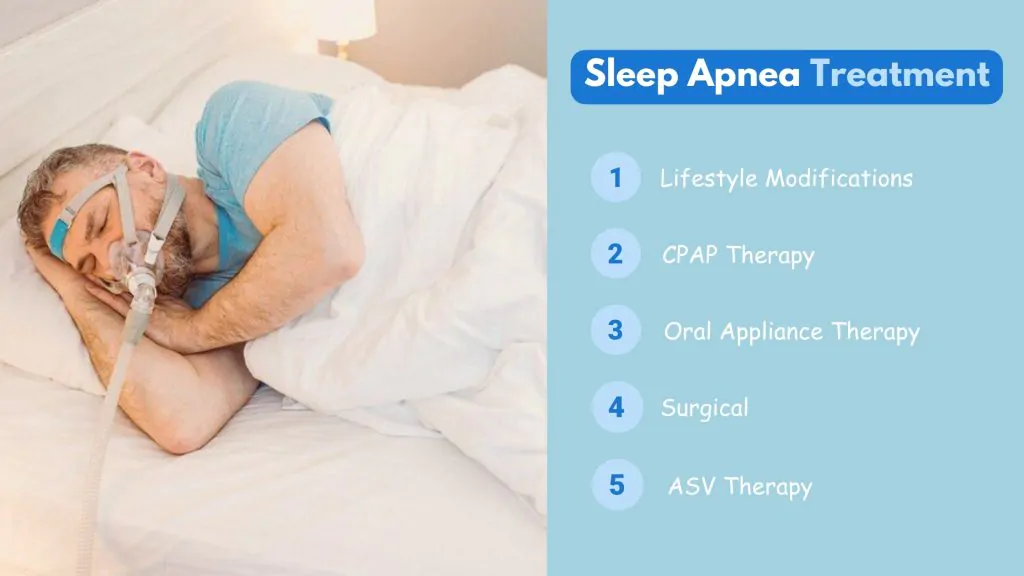
1. Lifestyle Modifications
For people with mild sleep apnea, simple lifestyle adjustments can sometimes make a noticeable difference. These changes aim to improve breathing and reduce airway blockage during sleep.
Some commonly recommended lifestyle modifications include:
Maintain a Healthy Weight
Excess body weight, especially around the neck area, can put pressure on the airway and increase the risk of obstruction during sleep.
Improve Sleep Position
Sleeping on the back can worsen airway blockage in some individuals. Sleeping on the side may help reduce breathing interruptions.
Avoid Alcohol and Sedatives
Alcohol and certain medications relax throat muscles, which can increase the chances of airway collapse during sleep.
Quit Smoking
Smoking may cause inflammation in the airway, which can worsen breathing problems at night.
Although lifestyle changes alone may not completely cure sleep apnea, they often play an important role in improving symptoms and supporting other treatments
2. CPAP Therapy
One of the most widely recommended treatments for moderate to severe sleep apnea is CPAP therapy.
A CPAP machine works by delivering a steady flow of pressurized air through a mask worn during sleep. This gentle air pressure keeps the airway open and prevents breathing interruptions throughout the night.
Many patients experience significant improvements in sleep quality after using CPAP therapy regularly. Some of the benefits include:
- Reduced snoring
- Better oxygen flow during sleep
- Improved daytime energy levels
- Fewer nighttime awakenings
Although it may take some time to get used to wearing the mask, CPAP remains one of the most effective sleep apnea treatment options available today.
3. Oral Appliance Therapy
Another option for treating sleep apnea is oral appliance therapy. These devices are worn in the mouth during sleep and work by adjusting the position of the jaw or tongue to keep the airway open.
Most oral appliances are custom-made dental devices designed to gently move the lower jaw forward. This helps create more space in the throat and prevents the airway from collapsing during sleep.
Oral appliances are usually recommended for:
- Mild to moderate obstructive sleep apnea
- Patients who cannot tolerate CPAP therapy
- People looking for a portable treatment option while traveling
While they may not be as powerful as CPAP machines, oral appliances can still improve symptoms such as snoring and disrupted sleep for many individuals.
4. Surgical Treatment
Surgery may be considered for obstructive sleep apnea (OSA) when other treatments such as CPAP therapy, lifestyle changes, or oral appliances do not provide sufficient improvement. The goal of surgical treatment is to remove or correct the physical blockage in the airway so that breathing remains stable during sleep.
Common surgical options include:
- Uvulopalatopharyngoplasty (UPPP): Removes excess tissue from the throat or soft palate to widen the airway.
- Maxillomandibular Advancement (MMA): Moves the upper and lower jaw slightly forward to create more space in the airway.
- Upper Airway Stimulation: A small implanted device stimulates the nerve that controls tongue movement to keep the airway open during sleep.
- Nasal or Tonsil Surgery: Corrects nasal blockages or removes enlarged tonsils that may contribute to breathing problems.
The choice of surgery depends on the severity of sleep apnea, airway structure, and the patient’s overall health. A sleep specialist or ENT doctor usually evaluates which surgical option is most suitable.
👉 Surgery is usually considered only in severe conditions
5. Adaptive Servo-Ventilation (ASV) – Advanced Sleep Apnea Treatment
Adaptive Servo-Ventilation (ASV) is an advanced form of sleep apnea treatment designed for patients with central sleep apnea or complex sleep apnea syndrome. Unlike traditional therapies, ASV uses smart technology to continuously monitor your breathing pattern and automatically adjust airflow in real time. This helps maintain stable and natural breathing throughout the night.
ASV therapy is especially useful for individuals who do not get complete relief from CPAP therapy. It provides personalized pressure support based on your breathing pattern, making the treatment more responsive and effective in managing irregular breathing. As a result, ASV can help improve oxygen levels, enhance sleep quality, and reduce nighttime breathing disturbances.
This therapy is typically recommended for more complex sleep apnea cases and should only be used after proper diagnosis and medical consultation. A sleep specialist will determine whether ASV therapy is the right option based on the patient’s condition and sleep study results.
With proper guidance and monitoring, ASV can be an effective solution for improving breathing stability, achieving better sleep, and supporting overall health.
Diagnosis & Home Sleep Apnea Test
Before starting any sleep apnea treatment, an accurate diagnosis is essential to understand the severity and type of the condition. Proper evaluation helps in selecting the most effective treatment plan and ensures better results.
Diagnosis is usually done through a detailed sleep study, known as polysomnography, which monitors breathing patterns, oxygen levels, and sleep activity. In addition, a home sleep apnea test is a convenient and widely used option that allows you to track your breathing and sleep patterns from the comfort of your home.
Home testing is simple, cost-effective, and ideal for individuals who prefer a more comfortable and accessible diagnostic method. It provides valuable insights that help healthcare professionals recommend the most suitable sleep apnea treatment based on your condition.
👉 Accurate diagnosis plays a crucial role in ensuring that you receive the right treatment at the right time.
Conclusion
Sleep apnea is a serious sleep disorder that can affect your overall health and quality of life if left untreated. Fortunately, several treatment options are available, including CPAP therapy, oral appliance therapy, surgical treatments, and advanced technologies like Adaptive Servo-Ventilation (ASV). The right treatment depends on the type and severity of sleep apnea as well as the patient’s individual health condition. Early diagnosis and proper treatment can significantly improve sleep quality, breathing patterns, and overall well-being.
Disclaimer
The information provided in this article is for educational and informational purposes only and should not be considered medical advice. Sleep apnea diagnosis and treatment should always be guided by a qualified healthcare professional or sleep specialist. If you are experiencing symptoms of sleep apnea, consult your doctor for proper evaluation and personalized treatment recommendations.