
Popular posts
PC Based Spirometer Comparison: Clarity SpiroTech vs RMS Helios 401
October 15, 2026
Oxymed CPAP Machine Comparison: SleepEasy, SleepEasy 2.0 & AirSmart
October 14, 2026
Where to Buy a CPAP Machine in India
September 11, 2026

The best sleep positions for sleep apnea — and which ones to avoid
April 18, 2026 2026-04-28 18:17The best sleep positions for sleep apnea — and which ones to avoid
The best sleep positions for sleep apnea — and which ones to avoid
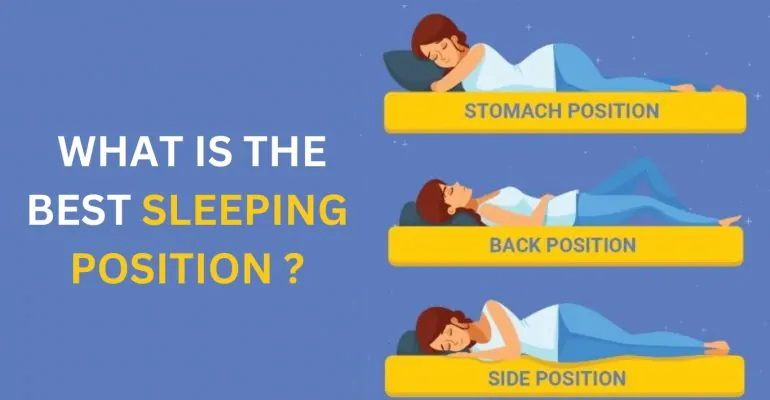
The best sleep positions for sleep apnea can make a real difference in how well you breathe at night — and how rested you feel in the morning. If you have been diagnosed with Obstructive Sleep Apnea (OSA)—or even if you simply suspect you might have it—the way you position yourself during sleep matters far more than most people realize. Your sleeping position directly impacts your airway, your throat muscles, and the ease with which air can flow in and out while you sleep.
In this guide, we detail every major sleeping position—ranging from the most beneficial ones to those you should avoid entirely—so that you can take a simple yet effective step toward a better, safer night’s sleep starting tonight.
Why does your sleep position affect sleep apnea?
When you sleep, the muscles throughout your body — including the soft tissue in your throat — relax. For people with sleep apnea, this relaxation can cause the airway to narrow or even collapse entirely, leading to the repeated breathing pauses that define the condition.
Your sleeping position plays a direct role in how much this matters. Gravity is the key factor here. Depending on how you’re lying down, gravity either helps keep your airway open or works against it by allowing the tongue, soft palate, and other tissues to fall into the back of your throat and block airflow.
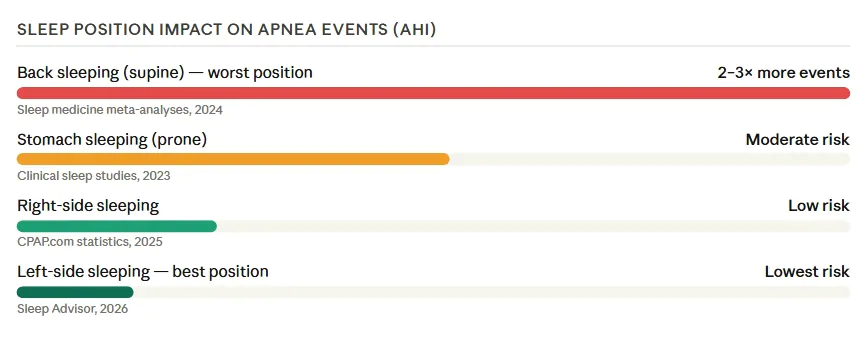
Research consistently shows that sleeping on your back can significantly worsen apnea events compared to sleeping on your side. In some patients, simply changing sleep position reduces the apnea-hypopnea index (AHI) by more than half.
1. Left-side sleeping — the gold standard
If you have sleep apnea, sleeping on your left side is widely considered the most beneficial position. When you lie on your left side, your airway naturally stays aligned, your tongue and soft palate remain in place due to gravity instead of falling backward, and the oxygen levels in your blood stay more stable throughout the night.
Sleeping on your left side is also beneficial for those who have acid reflux—a condition that commonly occurs with sleep apnea—because it prevents stomach acid from rising into the esophagus. This position is also recommended for pregnant women, making it one of the most medically supported sleeping positions overall.
Place a firm pillow between your knees when sleeping on your side. This keeps your spine aligned and makes it far easier to stay in position throughout the night without waking up with hip or lower back pain.
2. Right-side sleeping — nearly as good
Right-side sleeping shares most of the same airway benefits as the left side. If you find left-side sleeping uncomfortable or if you experience shoulder pain on your left side, the right side is an excellent alternative. The key benefit is the same — gravity keeps the airway open rather than closing it down.
Some cardiologists note that right-side sleeping can slightly increase pressure on the heart compared to the left side, but for most healthy adults this is not a concern. When it comes to sleep apnea specifically, either side is dramatically better than sleeping flat on your back.
3. Elevated back sleeping — a workable middle ground
If you are determined to sleep on your back or cannot comfortably sleep on your side due to shoulder injuries, pregnancy pillow needs, or other reasons, elevating your head and upper body at an angle of 30 to 60 degrees can partially reduce the negative effects of sleeping on your back. In this position, gravity is utilized to prevent the chin and tongue from falling directly into the throat.
Adjustable beds and wedge pillows are useful tools for achieving this. It is not as effective as actual side sleeping, but it is significantly better than lying completely flat.
Sleep positions to avoid with sleep apnea
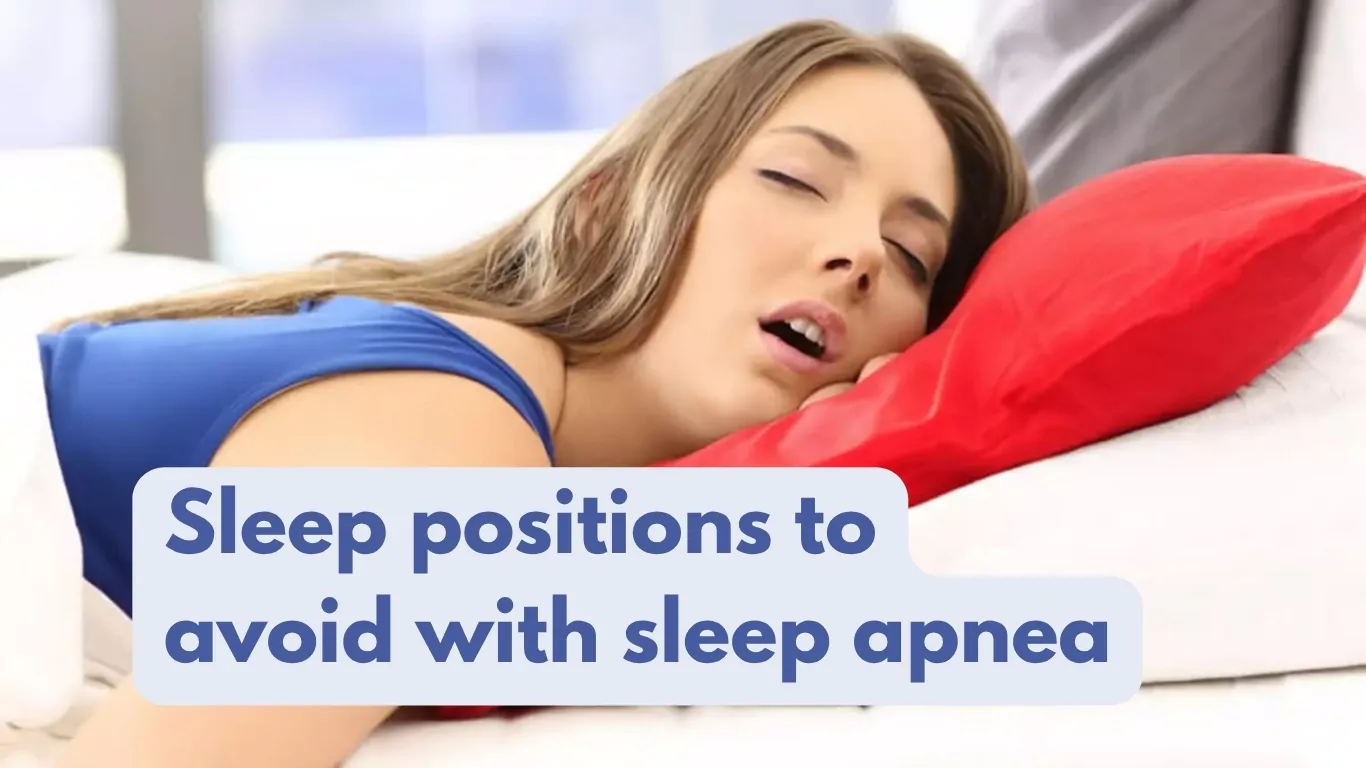
Sleeping flat on your back (supine position) is consistently the worst position for obstructive sleep apnea. Studies show that apnea events can be two to three times more frequent in the supine position than in the lateral (side) position.
Flat back sleeping (supine) — the position to avoid
When you lie flat on your back, gravity pulls everything in your throat — your tongue, soft palate, and uvula — directly downward and backward. This compresses the airway and is the primary reason many people with sleep apnea snore loudest and stop breathing most often when they roll onto their backs during sleep. If you are a natural back sleeper, you are not alone — it is a very common and comfortable position for many people. The good news is there are practical strategies to train yourself out of it over time.
Stomach sleeping — not ideal either
Stomach sleeping (prone position) is less harmful to the airway than back sleeping, but it comes with its own set of problems. The neck must be twisted sharply to one side, which strains the cervical spine and muscles. It also puts pressure on the lower back and chest. While stomach sleeping does keep the tongue from falling backward, it is hard on the body in other ways and is not a recommended long-term position for sleep apnea patients.
The right pillow makes all the difference
Your pillow choice is just as important as your position. The right pillow supports your neck in a neutral alignment, keeps your airway as straight as possible, and helps you stay on your side through the night.
Sleeping positions and CPAP therapy
If you use a CPAP machine, your sleeping position becomes particularly important in certain ways. CPAP therapy is highly effective regardless of position, but when it comes to your body and mask position, it is important to keep some practical points in mind.
Sleeping on your side works best with a CPAP machine when you use a CPAP-specific pillow that has cut-outs designed to accommodate the mask without pressing it into your face, which helps prevent the seal from breaking. A broken mask seal allows air to leak, which can reduce the effectiveness of your therapy and cause dryness in your eyes or mouth.
If you use a nasal or full-face CPAP mask and find that the tubing gets in the way during the night, a CPAP hose management system (a simple clip or overhead hook) can help keep the tube away from your face and make side sleeping much more manageable.
Ask your sleep specialist about a CPAP pillow at your next appointment. Many users report that this single change makes them far more likely to stay in the ideal side-sleeping position throughout the night.
How to train yourself to sleep on your side
Changing a lifelong sleep habit is not easy, but it is entirely possible with consistency. Here are a few approaches that work well for many people.
Sew a tennis ball into the back of your pyjama top or sleep shirt. When you roll onto your back during sleep, the discomfort from the ball will nudge you back onto your side without fully waking you up. This old-fashioned trick is still recommended by sleep physicians today because it genuinely works for many people over a few weeks of consistent use.
Modern positional therapy devices are a more technologically advanced approach. These small wearable devices are worn on the shoulder, chest, or head and vibrate lightly when they detect that you are turning onto your back. Over time, your body learns to associate sleeping on your back with the vibration and naturally remains on your side. Now, many devices are available that come with companion apps that track your position data every night.
Placing strong pillows only against your back creates a physical barrier that makes rolling difficult. Keeping a long body pillow behind your back and one in front (hugging it against your chest) effectively locks you into a side-sleeping position. For many people, this seems to be the easiest way to start immediately.
CPAP treatment stats
8M+
80%
37%
55%
reduction in cardiovascular mortality with CPAP
meta-analysis, 2025Lancet
Frequently asked questions
Sleeping on either side is much better than sleeping on the back. Studies show that sleeping on the left side may give a slight advantage for airway openness and is also beneficial for people with acid reflux, but sleeping on the right side is equally acceptable for most people with sleep disturbances.
For people with positional sleep apnea — where breathing events occur almost exclusively while lying on the back — changing position can significantly reduce symptoms. However, most people with moderate to severe sleep apnea still require CPAP therapy or other medical treatments in addition to positional changes.