





Salt in Shampoo Side Effects: Can an Itchy Scalp Mess With Your Sleep?
February 5, 2026 2026-02-06 0:13Salt in Shampoo Side Effects: Can an Itchy Scalp Mess With Your Sleep?
Salt in Shampoo Side Effects: Can an Itchy Scalp Mess With Your Sleep?
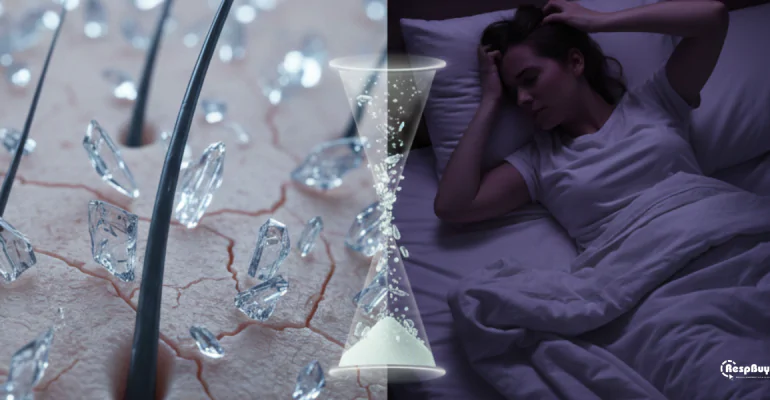
Salt (sodium chloride) often thickens shampoos, especially formulas with sodium lauryl sulfate. A PubMed Central review notes it can contribute to eye sting and, for some people, a noticeably drier, itchier scalp, and possibly more shedding. If your scalp feels tight or hair is dull, switch to gentler cleansers.
You buy a shampoo thinking about shine, hairfall, or maybe dandruff. You don’t expect to lose sleep because of it.
But if you have ever gone to bed with that annoying “scalp is crawling” feeling, you already know how this story goes.
You keep scratching, you keep adjusting your head on the pillow, and before you realise it, it’s 2:10 AM and you are wide awake for no good reason.
Let’s talk about something that often shows up on shampoo labels and gets ignored: salt, usually written as Sodium Chloride.
This is not a fear post. Salt is not automatically evil.
But in the real world, for some scalps, it can be the last push that turns a normal wash routine into dryness, irritation, flakes, and night-time itching.
Quick answer first: What is salt doing in shampoo?
In many shampoos, sodium chloride is used to thicken the formula. That’s it. It helps the shampoo feel richer and more “gel-like” in the hand, especially in certain detergent-style bases.
It is not there to nourish your scalp. It is not there to help hair grow. It is mainly there for how the product behaves in the bottle.
So what are the side effects of salt in shampoo?
Here’s the practical part. When people say “salt messed up my hair”, they usually mean one of these:
SALT IN SHAMPOO
5 Signs Your Scalp May Not Be Happy
(and how it can affect your sleep)
Dry scalp that feels tight after washing
If your scalp feels normal before shampoo and then feels tight or dry once it dries, that’s a clue.
Dryness can show up as:
- A stretched, uncomfortable feeling
- Mild burning sensation
- That “my scalp needs oil” urge within a few hours
This doesn’t happen to everyone, but if it happens consistently with one shampoo, the formula may be too drying for your scalp.
Itching that keeps coming back
Itching is your scalp’s way of saying, “Something is irritating me.” It can be dryness, build-up, sensitivity to fragrance, harsh cleansing agents, or a combination.
Salt can play a role by making the overall formula feel more stripping on some scalps.
Flakes that look like dandruff but feel like dryness
Not all flaking is dandruff. Sometimes it’s just dryness and irritation. Dry flakes are often smaller and powdery, and they may come with that tight feeling.
If your flakes increase after switching shampoos, don’t automatically blame “fungus.” Sometimes the scalp is simply unhappy.
Hair that feels rough or looks dull
When the scalp and hair get over-cleansed, hair can start feeling:
- Rough
- Squeaky in the shower
- Harder to detangle
- Dull by day 2
This is common when a shampoo is already strong and salt-heavy thickening adds to that “stripped” feel.
Color-treated or chemically treated hair may feel worse faster
If your hair is bleached, coloured, or treated, it is already more delicate. Many people notice that harsh formulas make their hair feel dry faster, and color may fade quicker over time.
This doesn’t mean salt alone causes color fading. It means some formulas that contain salt and stronger cleansers may not be a great match for treated hair.
The Sleep Angle
How can scalp irritation affect sleep, realistically?
Let’s keep this honest
Salt in shampoo does NOT cause insomnia. Salt in shampoo does NOT cause sleep apnea. Salt in shampoo does NOT change melatonin.
But here’s what’s real
Scalp discomfort can absolutely mess with your sleep because sleep is a comfort sport.
When your scalp is itchy, tight, or irritated, it can make it harder to fall asleep and easier to wake up during the night.
The Bottom Line
Salt in shampoo isn’t inherently evil, but for some people, it can contribute to scalp dryness and irritation — which can quietly affect sleep quality through discomfort.
Why itching feels worse at night
No distraction: In the day you are busy. At night, you notice everything.
Pillow friction: Your scalp rubs against fabric for hours.
Warmth: Your head and pillow trap heat. Heat can make itch sensations feel louder.
You scratch without realising: Even mild irritation can turn into repeated micro-scratching that breaks sleep.
What it does to your sleep
- You take longer to fall asleep because you can’t stop thinking about it.
- You wake up briefly, scratch, adjust, and drift off again.
- You wake up feeling tired, not because your sleep time was low, but because it was choppy.
If this is you, the solution is not “tough it out.” The solution is to reduce the trigger.
How to tell if your shampoo is the actual problem
Try this simple checklist for 7 to 10 days:
Signs it might be your shampoo
- Itching starts after wash day and repeats.
- The itching improves when you skip shampoo for a day.
- Your scalp feels tight once hair dries.
- Flakes increase after switching products.
- Your hair suddenly feels rough though your routine is the same.
Signs it might be something else
- Itching is severe, with redness or oozing.
- You have thick, stuck flakes and scalp sores.
- The itch is constant, regardless of product.
- You have hair shedding plus scalp pain.
If you fall in the second list, don’t DIY forever. A dermatologist visit can save months of trial and error.
Practical solutions that actually work
1) Switch formulas, but do it smartly
If your scalp is reacting, don’t jump from one harsh shampoo to another harsh shampoo.
Look for:
- gentler cleansing formulas
- scalp-friendly, low-irritant positioning
- balanced conditioning so you don’t feel stripped
You don’t need a fancy bottle. You need a formula your scalp can tolerate.
2) Fix your wash technique (this matters more than people think)
- Use lukewarm water, not hot.
- Shampoo only the scalp, not the lengths.
- Massage lightly, don’t scratch.
- Rinse longer than you think you need.
If you don’t rinse well, residue can make itching worse even if the shampoo is mild.
3) Don’t go to bed with an irritated scalp after a late shower
If you notice that itch peaks at night, try:
- washing earlier in the day
- letting the scalp dry properly before bed
- avoiding heavy oils right before sleep if they make you itchy
4) Basic pillow hygiene can reduce night itch
This is boring, but effective:
- change pillowcase more often
- choose softer fabric if friction irritates you
- keep hair clean enough that product build-up isn’t sitting on the pillow
5) If you already have sleep issues, treat sleep separately
This part is important.
If you suspect your sleep problem is bigger than discomfort, like:
- loud snoring
- choking or gasping at night
- morning headaches
- daytime sleepiness even after “full” sleep
That points more towards sleep-disordered breathing, not shampoo.
In such cases, scalp comfort is still worth fixing, but it is not the main issue.
Where CPAP fits in, without forcing it

A CPAP machine is a treatment for obstructive sleep apnea, not for scalp itching.
But here’s the practical overlap:
- People using CPAP often struggle with comfort and consistent sleep.
- If scalp itching keeps waking you up, you are more likely to remove the mask, toss around, or sleep badly.
- Fixing scalp irritation can support better sleep comfort.
- CPAP supports the breathing side when sleep apnea is present.
So yes, CPAP belongs in this article only in this way:
Treat scalp irritation to reduce discomfort. Treat sleep apnea properly if you have it. Both improve sleep quality, but they solve different problems.
FAQ
Does salt in shampoo cause hair loss?
Salt itself is not “a hair loss ingredient.” But if a shampoo makes your scalp irritated and inflamed, excessive scratching and irritation can worsen shedding in some people. If shedding is noticeable, don’t ignore it.
How do I know if sodium chloride is too much for my scalp?
If itching, dryness, and flakes consistently show up after washing with one shampoo and improve after switching, that’s your answer.
Is salt in shampoo bad for dandruff?
Depends. If your dandruff is mostly dryness-related, a drying shampoo can worsen flakes. If you have true dandruff with oily scalp and inflammation, you may need an anti-dandruff active ingredient, not just a shampoo switch.
What should I do if itching keeps me awake at night?
Start with the basics: switch to a gentler shampoo, rinse better, avoid hot water, and keep the scalp dry before bed. If redness, pain, or thick scaling persists, see a dermatologist.
Can a CPAP machine help if itching is waking me up?
CPAP helps if you have sleep apnea. It won’t treat itching. But if you have apnea and also have scalp discomfort, addressing both can improve overall sleep quality.
Final takeaway
Salt in shampoo is mainly there for thickness. For many people, it is harmless. But if your scalp is the type that gets dry, itchy, or flaky easily, it can contribute to a cycle that gets worse at night.
If your scalp is disturbing your sleep, don’t treat it like a small issue. Sleep quality drops fast when comfort is off.
Fix the scalp trigger with a better formula and better wash habits. And if you suspect a real sleep breathing issue, handle it separately, properly, and yes, that is where CPAP comes in.